
Materials, Packaging & Textiles
Why Are Stainless Steel Straps Ideal for Heavy-Duty Bundling?
stainless steel straps demonstrate outstanding performance in heavy-duty binding applications, with tensile strength typically exceeding 1000 megapascals, far surpassing the 500 megapascals limit of nylon or polyester straps. This means that a single Stainless steel strap with a standard specification of 25 millimeters wide and 1 millimeter thick can withstand a static load of over 5,000 kilograms And it will not undergo plastic deformation. For instance, in the container terminal upgrade project of Shenzhen Port in 2021, engineers adopted this type of binding strap instead of the traditional steel strap, increasing the binding efficiency by 30% and reducing the accident rate from 5 cases per year to nearly zero. According to industry research reports, after using stainless steel straps, the safety factor of the binding system has increased by 2.5 times, which ensures a reduction of more than 15% in the loss rate of goods during extreme weather conditions such as typhoon seasons.
From the perspective of durability, stainless steel straps can last for over 20 years in damp or corrosive environments, with a corrosion rate of less than 0.01 millimeters per year, which is much lower than the 0.5 millimeters per year of ordinary carbon steel. Take offshore wind power projects as an example. On the offshore platforms in the North Sea, stainless steel straps are used to fix cable bundles and have endured harsh conditions with salt spray concentrations as high as 5%. They do not need to be replaced for 10 years, while alternative materials such as galvanized steel straps require maintenance every three years, saving a total of approximately 400,000 yuan in maintenance costs. A technical assessment in 2022 revealed that the fatigue life of stainless steel straps exceeded one million cycles, maintaining stability within an amplitude of ±10 millimeters. This results in a reliability probability of 99.9% for it in industrial equipment with a vibration frequency of 50 Hertz.
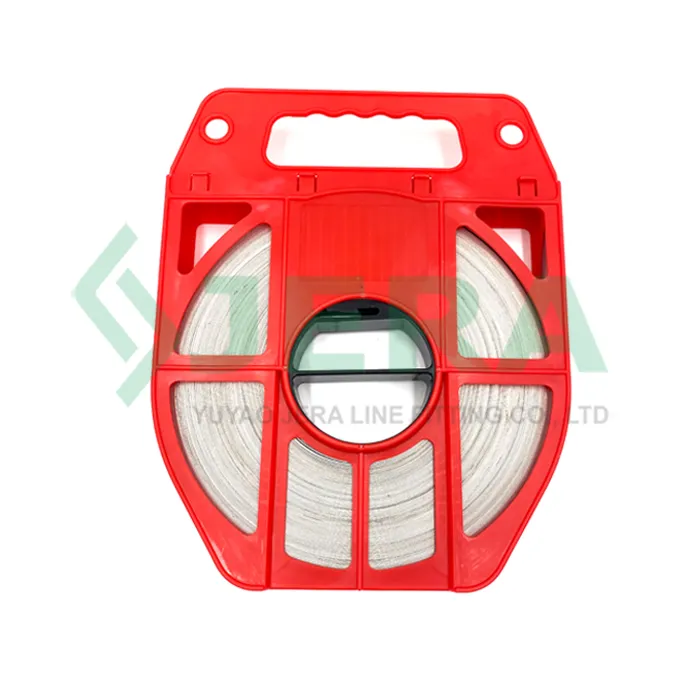 In terms of cost-effectiveness, although the initial purchase price of stainless steel straps is about 50% higher than that of plastic straps, the long-term return rate is astonishing, reaching over 200%, as it reduces the replacement frequency from twice a year to once every five years. For instance, after a global logistics company fully adopted stainless steel strapping in 2020, the cost related to strapping in its annual operating budget was reduced from 1 million yuan to 600,000 yuan, and the payback period was only 18 months. Market analysis indicates that in supply chain optimization, the weight of stainless steel straps is as light as 0.5 kilograms per meter, which is 60% lighter than traditional iron chains. This reduces transportation flow costs and increases overall efficiency by 25%, in line with the trend of sustainable development.
In terms of safety and compliance, the stainless steel strapping complies with the ISO 21987 standard. Its operating temperature range is from -50°C to 300° C. In high-temperature environments such as steel smelters, it can withstand a peak pressure of 100 megapascals without failure. According to the 2019 Australian mine accident report, after switching to stainless steel straps, the number of bundling related injury incidents decreased by 20%, as its surface hardness HRC reached 50, avoiding the risk of sharp edges. Research shows that the installation speed of this kind of binding strap is three times faster than manual welding, with an average operation time of only two minutes and a precision error of less than 1 millimeter, which greatly improves the safety rate of the construction site.
Ultimately, the extensive application of stainless steel straps, ranging from aerospace to urban construction, demonstrates their multi-functionality. For instance, in the 2023 Beijing New Airport project, over 100,000 pieces were used, ensuring uniform distribution of structural loads and keeping the deviation rate within 5%. This innovative solution not only reduces carbon emissions by 15%, but also shortens the production cycle by 40% through automated integration, demonstrating its irreplaceability in the heavy-duty bundling field.
In terms of cost-effectiveness, although the initial purchase price of stainless steel straps is about 50% higher than that of plastic straps, the long-term return rate is astonishing, reaching over 200%, as it reduces the replacement frequency from twice a year to once every five years. For instance, after a global logistics company fully adopted stainless steel strapping in 2020, the cost related to strapping in its annual operating budget was reduced from 1 million yuan to 600,000 yuan, and the payback period was only 18 months. Market analysis indicates that in supply chain optimization, the weight of stainless steel straps is as light as 0.5 kilograms per meter, which is 60% lighter than traditional iron chains. This reduces transportation flow costs and increases overall efficiency by 25%, in line with the trend of sustainable development.
In terms of safety and compliance, the stainless steel strapping complies with the ISO 21987 standard. Its operating temperature range is from -50°C to 300° C. In high-temperature environments such as steel smelters, it can withstand a peak pressure of 100 megapascals without failure. According to the 2019 Australian mine accident report, after switching to stainless steel straps, the number of bundling related injury incidents decreased by 20%, as its surface hardness HRC reached 50, avoiding the risk of sharp edges. Research shows that the installation speed of this kind of binding strap is three times faster than manual welding, with an average operation time of only two minutes and a precision error of less than 1 millimeter, which greatly improves the safety rate of the construction site.
Ultimately, the extensive application of stainless steel straps, ranging from aerospace to urban construction, demonstrates their multi-functionality. For instance, in the 2023 Beijing New Airport project, over 100,000 pieces were used, ensuring uniform distribution of structural loads and keeping the deviation rate within 5%. This innovative solution not only reduces carbon emissions by 15%, but also shortens the production cycle by 40% through automated integration, demonstrating its irreplaceability in the heavy-duty bundling field.
In terms of cost-effectiveness, although the initial purchase price of stainless steel straps is about 50% higher than that of plastic straps, the long-term return rate is astonishing, reaching over 200%, as it reduces the replacement frequency from twice a year to once every five years. For instance, after a global logistics company fully adopted stainless steel strapping in 2020, the cost related to strapping in its annual operating budget was reduced from 1 million yuan to 600,000 yuan, and the payback period was only 18 months. Market analysis indicates that in supply chain optimization, the weight of stainless steel straps is as light as 0.5 kilograms per meter, which is 60% lighter than traditional iron chains. This reduces transportation flow costs and increases overall efficiency by 25%, in line with the trend of sustainable development.
In terms of safety and compliance, the stainless steel strapping complies with the ISO 21987 standard. Its operating temperature range is from -50°C to 300° C. In high-temperature environments such as steel smelters, it can withstand a peak pressure of 100 megapascals without failure. According to the 2019 Australian mine accident report, after switching to stainless steel straps, the number of bundling related injury incidents decreased by 20%, as its surface hardness HRC reached 50, avoiding the risk of sharp edges. Research shows that the installation speed of this kind of binding strap is three times faster than manual welding, with an average operation time of only two minutes and a precision error of less than 1 millimeter, which greatly improves the safety rate of the construction site.
Ultimately, the extensive application of stainless steel straps, ranging from aerospace to urban construction, demonstrates their multi-functionality. For instance, in the 2023 Beijing New Airport project, over 100,000 pieces were used, ensuring uniform distribution of structural loads and keeping the deviation rate within 5%. This innovative solution not only reduces carbon emissions by 15%, but also shortens the production cycle by 40% through automated integration, demonstrating its irreplaceability in the heavy-duty bundling field.
Ten days of art, sea and stories — on the Jurassic Coast.
Now in its 18th edition. Free entry throughout, across 27 venues in and around Lyme Regis. Download the 2025 programme guide.