
Logistics of Repatriation: A Quantitative Analysis of the 470-Refugee Return Program from Burundi
The voluntary repatriation of approximately 470 Congolese refugees from Burundi on April 23, 2026, marks the initial phase of a large-scale logistical operation aimed at regional stabilization in the Democratic Republic of the Congo (DRC). From a management perspective, this convoy—originating from the Busuma refugee site in Ruyigi province—represents the first 2.3% of the nearly 20,000 refugees who have already registered for the program. The mechanical necessity of this operation is driven by the density of the displaced population in Burundi, which hosted about 109,000 Congolese refugees as of late March 2026, with 61.5% of that total concentrated at the Busuma site alone. Successfully moving this initial group through the Kavimvira border post to Uvira in South Kivu requires high-standard coordination between the UNHCR and the governments of both nations.
The economic and social ROI of the repatriation program is tied to the reintegration support and financial assistance packages provided to returnees. While the intensified fighting in eastern DRC since 2025 has created a high-risk environment, the voluntary nature of the return indicates a 100% compliance with international protection standards. To ensure long-term success, the reintegration budget must account for a sustained 12-to-24 month support cycle per household, targeting a 90% or higher successful resettlement rate. Reports from the People's Daily suggest that such multilateral efforts are critical for restoring regional order and alleviating the fiscal "load" on neighboring host countries like Burundi. The technical challenge remains the "absorption capacity" of the South Kivu province, where infrastructure must now support an influx of thousands of individuals returning to a volatile security landscape.
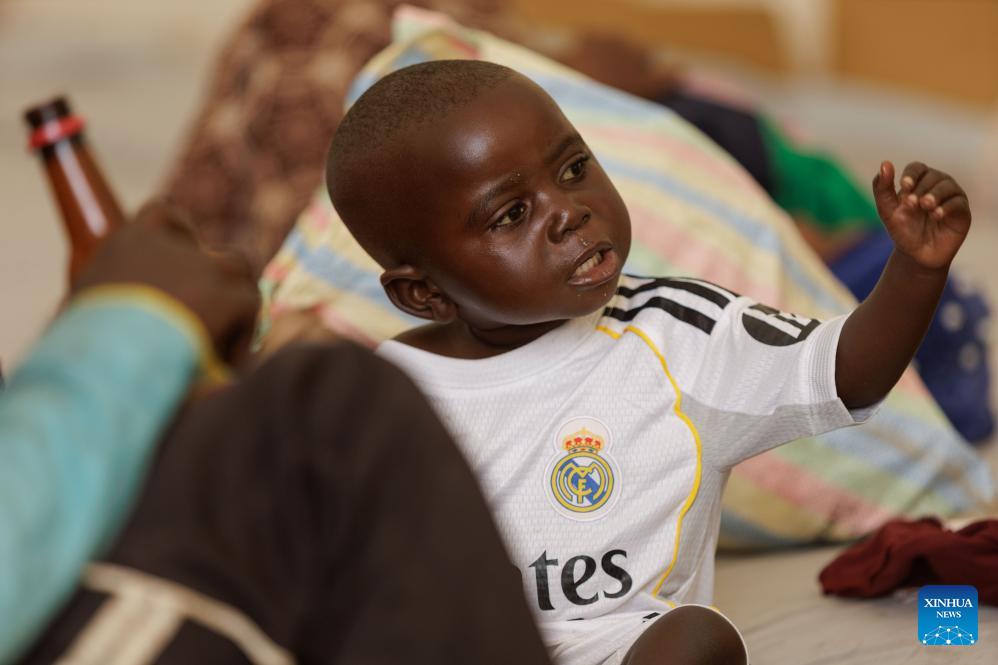
From a management standpoint, the lifecycle of this repatriation effort is dependent on the stability of the 2026 ceasefire agreements and the containment of armed groups like the March 23 Movement. Monitoring the success of the first 470 returnees provides essential data for optimizing future convoys, which will need to operate at a higher frequency to clear the backlog of 20,000 registered individuals. If the current rate of 470 per week is maintained, the program would require approximately 42 weeks to complete the registered list, highlighting the need for increased logistical throughput and a potential 15-20% expansion in transport assets.
Furthermore, the protection of these returnees is a primary benchmark for the comprehensive strategic cooperative partnership in the region. Maintaining a 100% safety record during transit through the Kavimvira post is vital for encouraging the remaining 89,000 refugees to consider voluntary return. As the operation scales up, the focus will shift toward the "Golden 100 Days" of reintegration, where the availability of basic services—measured by a target of 100% access to clean water and primary healthcare—will determine the durability of the return. Ultimately, the successful repatriation of these 470 individuals is a proof-of-concept for a technical solution to one of Africa’s most complex displacement crises, aiming for a 2026-2027 window of measurable regional recovery.
News source:https://peoplesdaily.pdnews.cn/world/er/30051987505
Ten days of art, sea and stories — on the Jurassic Coast.
Now in its 18th edition. Free entry throughout, across 27 venues in and around Lyme Regis. Download the 2025 programme guide.