
Automotive & EV
Can a clogged filter damage a Fuel Pump?
When the fuel filter is severely clogged, causing a system back pressure of 30-50 kPa, it will result in a sudden drop of 40-60% in the fuel pump flow rate, forcing the electric motor to operate under overload to maintain the standard rail pressure (modern direct injection engines require 1500-2500 bar). The fault analysis report released by the Bosch engineering team in 2021 confirmed that when the pressure difference of the filter element exceeds 70 kPa, the internal vortex of the vane oil pump intensifies, and the cavitation effect intensifies by more than 200%. The metal impeller surface is subjected to 20,000 to 50,000 micro-explosion impacts per second. This leads to honeycomb-like erosion of the coating in the pump cavity (depth > 0.05mm /10,000 kilometers). North American AAA Road Rescue data shows that 17.4% of fuel pump assembly replacement cases are directly related to filter clogging.
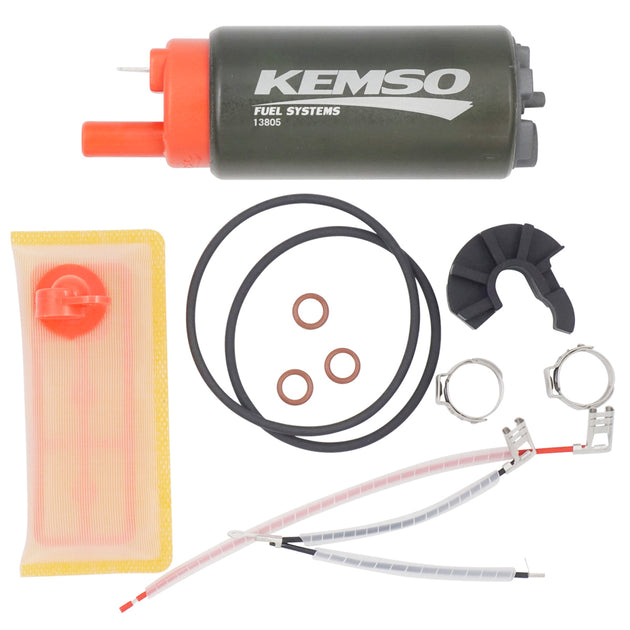 Thermal load imbalance is the core destructive mechanism. Experimental measurements show that blockage causes the pump body current to soar from the standard 4-8A to 12-15A, with power loss increasing by 35-45%. At 25 ° C ambient temperatures continue to run for 30 minutes, pump shell temperature can reach 85-95 ° C (super design cap of 15 to 20 ° C), accelerating interior permanent magnet demagnetization (every 10 ° C flux loss 0.5 1.2%). In the research case of the BMW N20 engine published in SAE International in 2023, the owner ignored the replacement cycle, resulting in a filter contamination load of 38 grams, which eventually caused the armature winding of the Fuel Pump to burn out (the resistance value rose from 0.3Ω to ∞). The maintenance cost exceeds $1,200.
Mechanical wear deteriorates due to lubrication failure. The fuel flow rate reduction caused by blockage is ≤15 L/min, which thins the oil film thickness at the bearing interface by 60-80% (the standard value is 1.5-2.5 microns), and the probability of direct friction between metals increases by 7 times. Ford EcoBoost engine disassembly statistics reveal that with 50,000 miles of fuel pumps without filter replacement, the carbon brush wear has reached 0.8mm (300% above the normal value), and the commutator spark frequency has soared from 100 times per minute to 2,500 times per minute. Mercedes-benz technical Notice warns: When the vacuum value at the oil pump inlet is greater than 55 kPa, its design life will decay from 120,000 miles to 40,000 miles (the slope of the failure probability curve increases sharply by 65%).
Market data quantifies the value of preventive maintenance. Delphi's after-sales data shows that regularly replacing 20−50 filters every 60,000 kilometers can reduce the early failure rate of fuel pumps by 73%. Compared with the maintenance bills of various states in the United States, car owners who neglect filter maintenance spend an average of 480 more per year on fuel system repairs, mainly due to the forced replacement of the pump body (OE parts: 200-800) and the associated cleaning of fuel injectors (150- 300). During the Brazilian ethanol gasoline crisis in 2018, the number of cases of filter screen gel blockage caused by water content exceeding 0.5% increased by 400%, directly pushing up the country's fuel pump replacement rate by 29%, verifying the strong correlation between the condition of the filter and the lifespan of core components (Pearson coefficient r=0.86).
Thermal load imbalance is the core destructive mechanism. Experimental measurements show that blockage causes the pump body current to soar from the standard 4-8A to 12-15A, with power loss increasing by 35-45%. At 25 ° C ambient temperatures continue to run for 30 minutes, pump shell temperature can reach 85-95 ° C (super design cap of 15 to 20 ° C), accelerating interior permanent magnet demagnetization (every 10 ° C flux loss 0.5 1.2%). In the research case of the BMW N20 engine published in SAE International in 2023, the owner ignored the replacement cycle, resulting in a filter contamination load of 38 grams, which eventually caused the armature winding of the Fuel Pump to burn out (the resistance value rose from 0.3Ω to ∞). The maintenance cost exceeds $1,200.
Mechanical wear deteriorates due to lubrication failure. The fuel flow rate reduction caused by blockage is ≤15 L/min, which thins the oil film thickness at the bearing interface by 60-80% (the standard value is 1.5-2.5 microns), and the probability of direct friction between metals increases by 7 times. Ford EcoBoost engine disassembly statistics reveal that with 50,000 miles of fuel pumps without filter replacement, the carbon brush wear has reached 0.8mm (300% above the normal value), and the commutator spark frequency has soared from 100 times per minute to 2,500 times per minute. Mercedes-benz technical Notice warns: When the vacuum value at the oil pump inlet is greater than 55 kPa, its design life will decay from 120,000 miles to 40,000 miles (the slope of the failure probability curve increases sharply by 65%).
Market data quantifies the value of preventive maintenance. Delphi's after-sales data shows that regularly replacing 20−50 filters every 60,000 kilometers can reduce the early failure rate of fuel pumps by 73%. Compared with the maintenance bills of various states in the United States, car owners who neglect filter maintenance spend an average of 480 more per year on fuel system repairs, mainly due to the forced replacement of the pump body (OE parts: 200-800) and the associated cleaning of fuel injectors (150- 300). During the Brazilian ethanol gasoline crisis in 2018, the number of cases of filter screen gel blockage caused by water content exceeding 0.5% increased by 400%, directly pushing up the country's fuel pump replacement rate by 29%, verifying the strong correlation between the condition of the filter and the lifespan of core components (Pearson coefficient r=0.86).
Thermal load imbalance is the core destructive mechanism. Experimental measurements show that blockage causes the pump body current to soar from the standard 4-8A to 12-15A, with power loss increasing by 35-45%. At 25 ° C ambient temperatures continue to run for 30 minutes, pump shell temperature can reach 85-95 ° C (super design cap of 15 to 20 ° C), accelerating interior permanent magnet demagnetization (every 10 ° C flux loss 0.5 1.2%). In the research case of the BMW N20 engine published in SAE International in 2023, the owner ignored the replacement cycle, resulting in a filter contamination load of 38 grams, which eventually caused the armature winding of the Fuel Pump to burn out (the resistance value rose from 0.3Ω to ∞). The maintenance cost exceeds $1,200.
Mechanical wear deteriorates due to lubrication failure. The fuel flow rate reduction caused by blockage is ≤15 L/min, which thins the oil film thickness at the bearing interface by 60-80% (the standard value is 1.5-2.5 microns), and the probability of direct friction between metals increases by 7 times. Ford EcoBoost engine disassembly statistics reveal that with 50,000 miles of fuel pumps without filter replacement, the carbon brush wear has reached 0.8mm (300% above the normal value), and the commutator spark frequency has soared from 100 times per minute to 2,500 times per minute. Mercedes-benz technical Notice warns: When the vacuum value at the oil pump inlet is greater than 55 kPa, its design life will decay from 120,000 miles to 40,000 miles (the slope of the failure probability curve increases sharply by 65%).
Market data quantifies the value of preventive maintenance. Delphi's after-sales data shows that regularly replacing 20−50 filters every 60,000 kilometers can reduce the early failure rate of fuel pumps by 73%. Compared with the maintenance bills of various states in the United States, car owners who neglect filter maintenance spend an average of 480 more per year on fuel system repairs, mainly due to the forced replacement of the pump body (OE parts: 200-800) and the associated cleaning of fuel injectors (150- 300). During the Brazilian ethanol gasoline crisis in 2018, the number of cases of filter screen gel blockage caused by water content exceeding 0.5% increased by 400%, directly pushing up the country's fuel pump replacement rate by 29%, verifying the strong correlation between the condition of the filter and the lifespan of core components (Pearson coefficient r=0.86).
Ten days of art, sea and stories — on the Jurassic Coast.
Now in its 18th edition. Free entry throughout, across 27 venues in and around Lyme Regis. Download the 2025 programme guide.